
Description
Product Overview
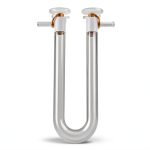
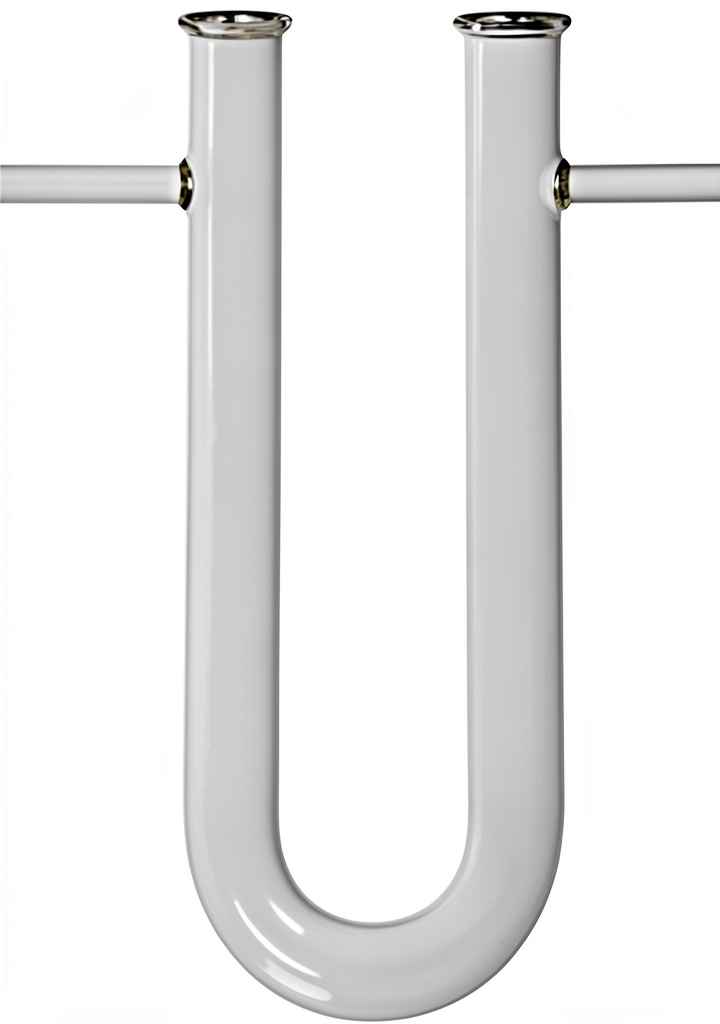
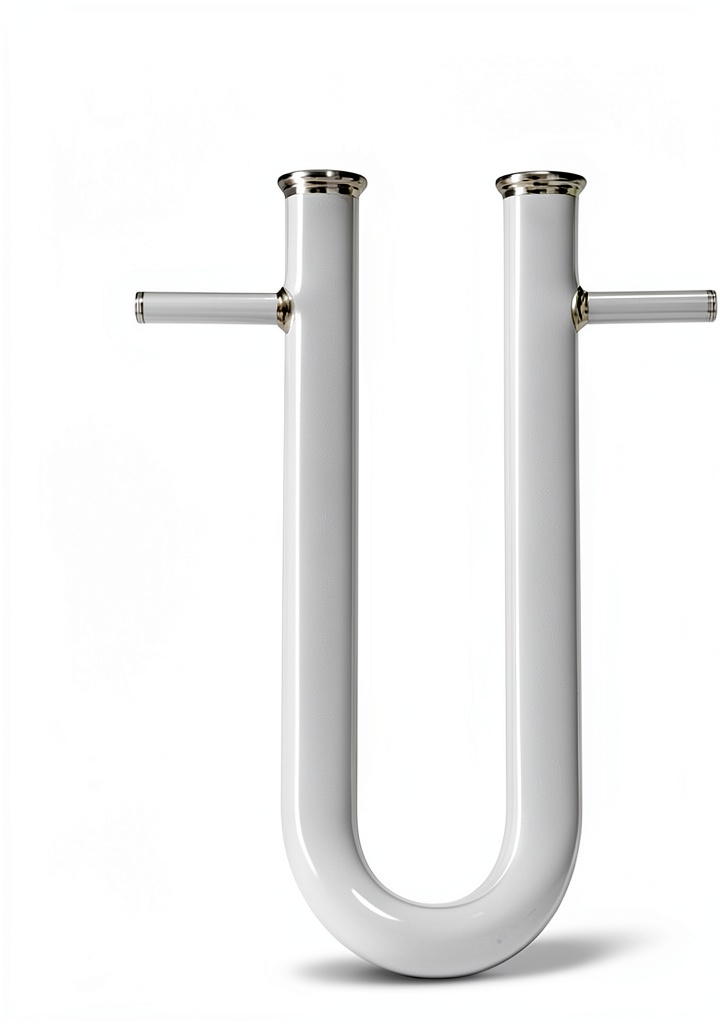
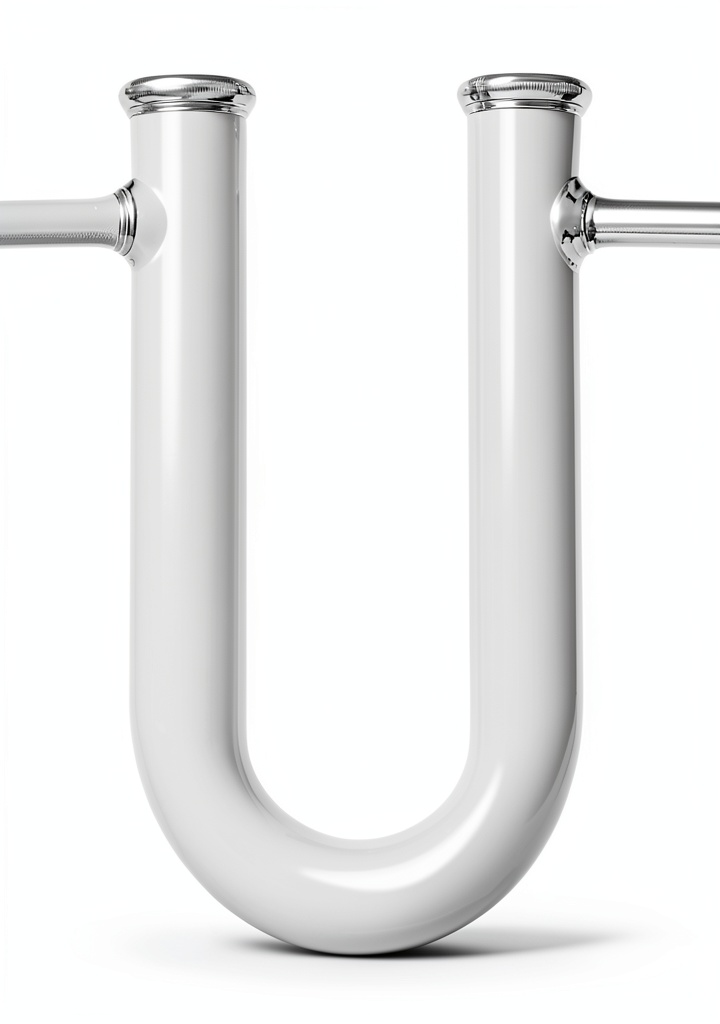
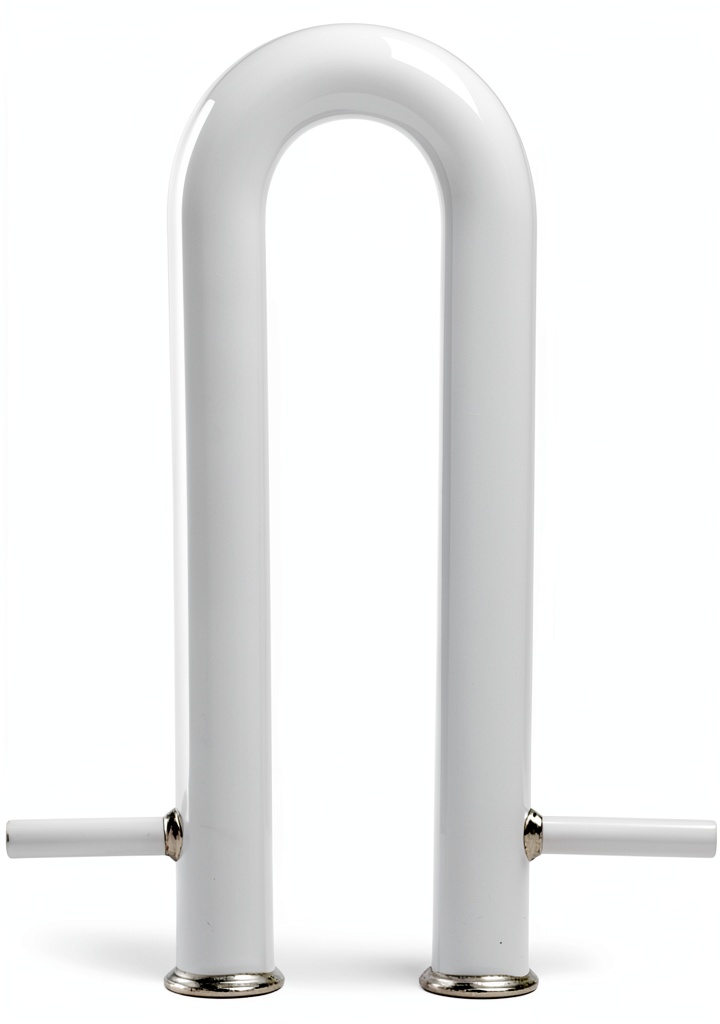
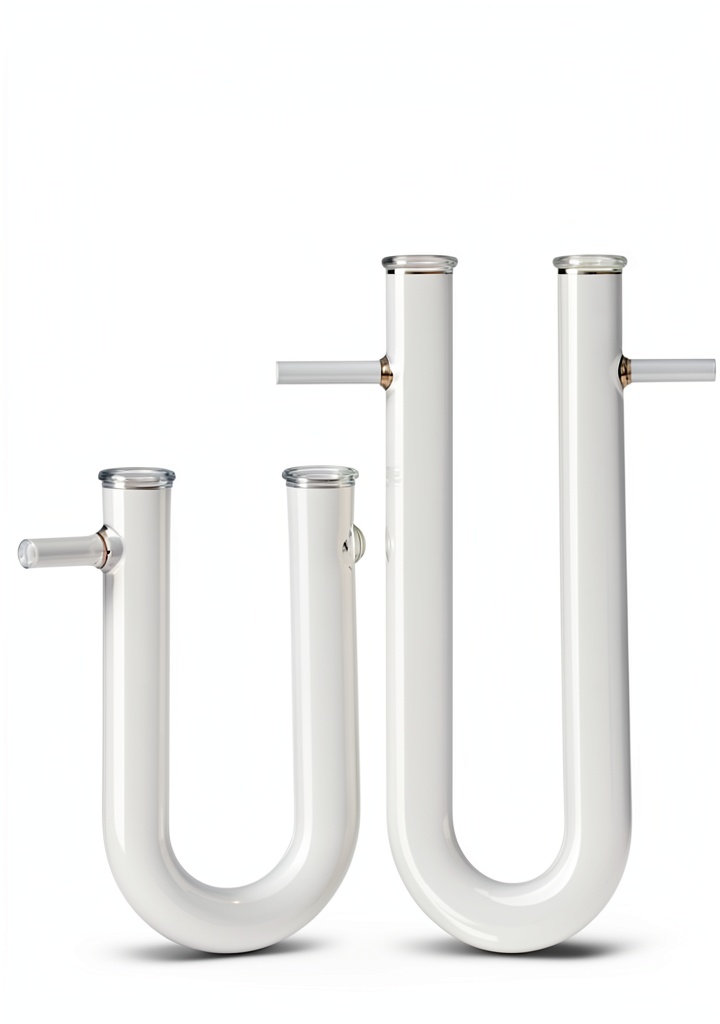
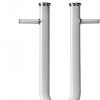
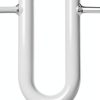
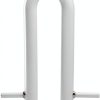
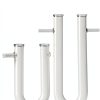
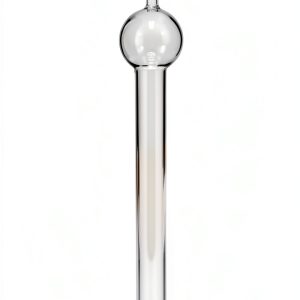
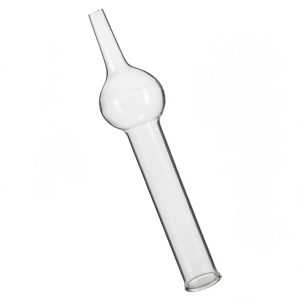
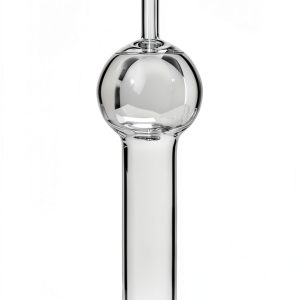
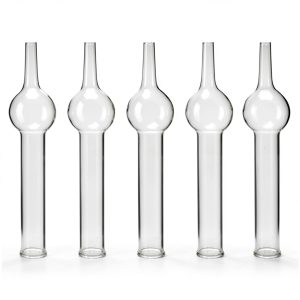
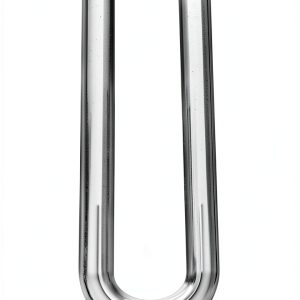
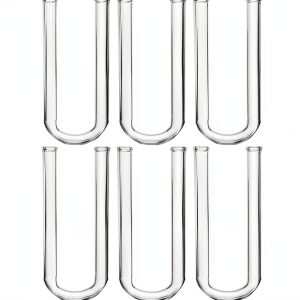
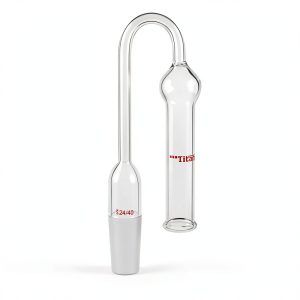
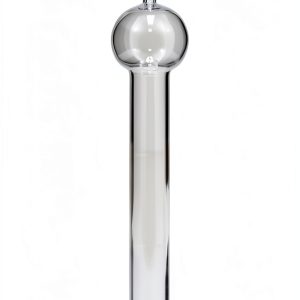
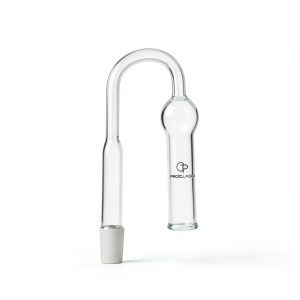
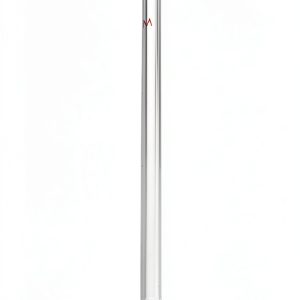
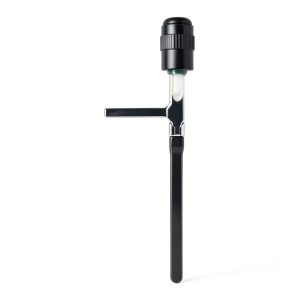
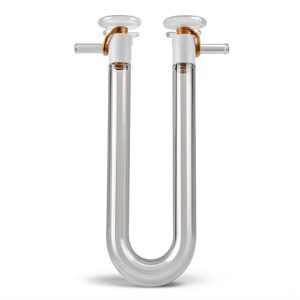
The 13 × 100 mm U‑shaped drying tube supplied by DADAKEWIN is engineered for reliable gas drying in a wide range of scientific and industrial environments. Constructed from Borosilicate 3.3 glass, the tube exhibits a low coefficient of thermal expansion, roughly one‑third that of ordinary glass, which translates into superior resistance to thermal shock and high‑temperature exposure. The transparent glass body allows visual inspection of the desiccant condition, while the U‑shaped configuration maximizes the contact time between the gas stream and the drying medium. The tube’s dimensions—13 mm inner diameter and 100 mm length—fit standard laboratory glassware connections, and the two threaded ports at each end enable secure attachment to tubing or adapters without leakage. The product ships in a compact 8.66 × 8.66 × 8.66 inch package and weighs 2.65 pounds, making it easy to store and handle.
Designed for both professional laboratories and educational settings, the drying tube provides consistent performance whether it is used in analytical chemistry, organic synthesis, or environmental monitoring. The internal cavity is pre‑filled with a high‑capacity desiccant that absorbs moisture and other trace impurities from the gas flow, ensuring that downstream reactions or detectors receive dry, clean gas. Because the glass is chemically inert, it does not react with most solvents or reagents, preserving the purity of the experimental system. The tube complies with industry standards for laboratory glassware and has earned a ranking of #73 in the Drying Lab Tubes category on major e‑commerce platforms, reflecting its popularity among researchers seeking dependable drying solutions.
Usage
In a typical laboratory setup, the drying tube is installed inline between a gas source—such as a nitrogen or argon cylinder—and the apparatus that requires dry gas, like a glove box, chromatography system, or reaction flask. The user simply connects the inlet port to the gas line, routes the outlet port to the target equipment, and optionally adds a protective shield to guard the glass against accidental impact. The tube’s robust construction tolerates continuous operation at temperatures up to 300 °C, making it suitable for high‑temperature drying processes. In classroom demonstrations, the clear glass allows students to observe the drying action in real time, reinforcing concepts of gas purification and moisture removal. Industrial users can integrate the tube into process control loops where moisture‑sensitive instrumentation must be protected from condensation.
The drying tube also serves well in custom experimental rigs where space is limited. Its compact U‑shape fits into tight corners of reaction vessels, and the standard 13 mm bore matches common ground‑glass joints, eliminating the need for adapters. For field applications, the tube can be mounted on portable gas delivery kits, providing a lightweight yet durable solution for on‑site analysis or sample preparation. Because the desiccant can be regenerated by heating, the tube offers a cost‑effective alternative to disposable drying cartridges, reducing waste and operational expenses over the long term.
When installing the tube, users should ensure that all connections are tightened to the recommended torque to prevent leaks, and they should verify that the gas flow rate does not exceed the manufacturer’s specifications. Regular visual checks of the desiccant’s color and condition help maintain optimal performance, and periodic regeneration extends the service life of the tube. Safety precautions include wearing appropriate eye protection and handling the glass with care to avoid breakage, especially when operating near the upper temperature limits.
Why Choose Us
DADAKEWIN has a reputation for delivering high‑quality laboratory glassware that meets stringent quality control criteria. Each drying tube undergoes a multi‑stage inspection process, including visual examination for cracks, dimensional verification, and pressure testing to confirm leak‑free performance. The use of Borosilicate 3.3 glass not only guarantees thermal stability but also provides excellent chemical durability, resisting attack from acids, bases, and organic solvents commonly encountered in research labs. Customers benefit from a responsive technical support team that can advise on proper installation, maintenance, and desiccant regeneration procedures, ensuring the tube remains functional for years of service.
Furthermore, DADAKEWIN offers a clear warranty and a straightforward return policy, giving users confidence in their purchase. The company’s commitment to continuous improvement is reflected in the feedback‑driven design of the drying tube, where user suggestions have led to refinements such as smoother port threading and optimized desiccant volume. By choosing this product, laboratories gain a reliable component that supports reproducible results, minimizes downtime, and aligns with safety best practices for handling gases. The brand also emphasizes sustainability by providing recyclable packaging and encouraging desiccant regeneration, which reduces environmental impact compared with single‑use alternatives.
Key Features
- Made from Borosilicate 3.3 glass for exceptional heat resistance and low thermal expansion, reducing risk of breakage under temperature fluctuations.
- U‑shaped design increases gas‑desiccant contact time, delivering efficient moisture and impurity removal for consistent experimental outcomes.
- Standard 13 mm inlet and outlet threads fit common laboratory glassware, enabling quick, leak‑free installation without additional adapters.
- Pre‑filled with high‑capacity desiccant that can be regenerated by heating, offering a cost‑effective, environmentally friendly alternative to disposable tubes.
- Backed by DADAKEWIN’s dedicated customer support and warranty, providing assistance with installation, maintenance, and troubleshooting for long‑term reliability.
FAQ
How do I install the drying tube in my gas line?
Begin by turning off the gas supply and relieving any pressure in the line. Connect the inlet port of the drying tube to the gas source using a compatible 13 mm ground‑glass joint or appropriate adapter. Secure the connection with a wrench, tightening to the recommended torque. Route the outlet port to the downstream equipment, again using a matching joint. Once all connections are verified leak‑free, gradually reopen the gas supply and monitor the flow to ensure proper operation.
Can the desiccant be replaced or regenerated?
Yes. The desiccant inside the tube can be regenerated by heating the tube in an oven at 200‑250 °C for several hours, which drives off absorbed moisture. After cooling, the tube is ready for reuse. If the desiccant becomes saturated beyond regeneration capacity, it can be safely removed and replaced with fresh material following the manufacturer’s guidelines.
What temperature range can the tube safely operate in?
The Borosilicate 3.3 glass construction allows continuous operation from ambient temperature up to approximately 300 °C. Short‑term exposure to higher temperatures is possible, but prolonged use above the recommended limit may compromise the glass integrity and desiccant performance. Always consult the product data sheet for detailed temperature specifications before exceeding standard operating conditions.
Is the tube compatible with all types of gases?
The drying tube is suitable for inert gases such as nitrogen, argon, and helium, as well as for air and low‑reactivity process gases. It is not recommended for highly corrosive gases like chlorine or fluorine, which could attack the glass or desiccant. For specialized gas streams, verify compatibility with the manufacturer or conduct a small‑scale test before full‑scale implementation.
How do I maintain the tube for long‑term use?
Regular maintenance includes visual inspection of the glass for cracks, checking the desiccant’s color for signs of saturation, and performing periodic regeneration by heating. Keep the tube clean by wiping the exterior with a lint‑free cloth and avoid exposing the glass to mechanical shocks. Store the tube in a dry, temperature‑controlled environment when not in use to preserve its performance and extend its service life.












































Reviews
There are no reviews yet.